Ankles are everything in dance. Whether you're executing a relevé en pointe, landing a grand jeté, or transitioning through a complex contemporary floor sequence, your ankles absorb tremendous force with every movement. It's no surprise that ankle sprains are one of the most common injuries in the dance world — but what many dancers don't realize is that most of these injuries are preventable.
Physical therapy for dancers takes a proactive, whole-body approach to injury prevention. Rather than waiting for an ankle sprain to sideline you, a skilled physical therapist can identify the movement patterns, strength imbalances, and flexibility limitations that put you at risk — and correct them before they become injuries.
At Bravo Physio & Wellness in Frisco, TX, we specialize in supporting performing artists, including dancers of all styles and levels. Here's what you need to know about how physical therapy can protect your ankles and keep you dancing at your best.
Why Dancers Are Especially Vulnerable to Ankle Sprains
Dance asks the ankle to move in ways most people never experience. Deep plantarflexion for pointe work, extreme pronation and supination in contemporary dance, and repetitive impact from jumps all place the ankle ligaments and surrounding muscles under significant stress.
An ankle sprain occurs when the ligaments that stabilize the joint are stretched or torn — most commonly the ligaments on the outer (lateral) side of the ankle. This typically happens during an inversion ankle sprain, where the foot rolls inward. For dancers, this can happen during a landing, a turn, or even a simple walking transition in heels.
The concerning reality is that once you've had one ankle sprain, the risk of re-injury increases significantly. The ankle becomes less stable, proprioception (your body's sense of where the joint is in space) is disrupted, and the muscles that should protect the joint may not fire correctly. This is exactly why ankle sprain rehabilitation — and better yet, prevention — is so critical for dancers.
The Role of Physical Therapy in Ankle Injury Prevention
Physical therapy doesn't just treat injuries. It builds the foundation that keeps injuries from happening in the first place. Here's how a physical therapist approaches ankle injury prevention for dancers:
Comprehensive Movement Assessment
The first step is understanding how you move. A physical therapist will observe your dance technique, assess your gait, evaluate your single-leg balance, and test the strength and range of motion at your ankles, knees, and hips. Weakness or stiffness anywhere along this chain can place extra load on the ankle.
For example, weakness in the hip abductors can cause the knee to collapse inward during a landing, which in turn increases the inversion force at the ankle — a setup for a sprain. Identifying these patterns early is one of the most powerful tools physical therapy offers.
Targeted Ankle Strengthening Exercises
Once any weaknesses are identified, your therapist will design a program of ankle strengthening exercises tailored to the specific demands of your dance style. This typically includes strengthening the peroneals (the muscles on the outer side of the lower leg that resist inversion), the tibialis anterior, and the deeper stabilizers of the foot and ankle.
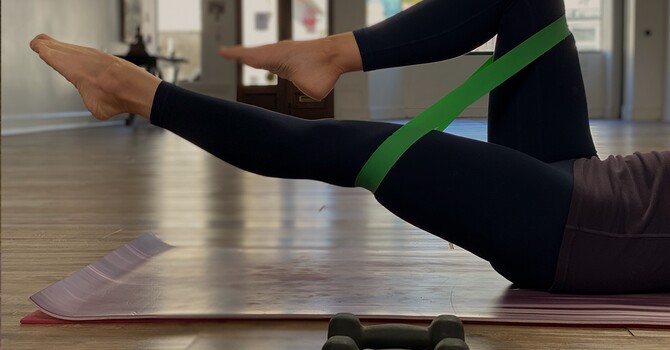
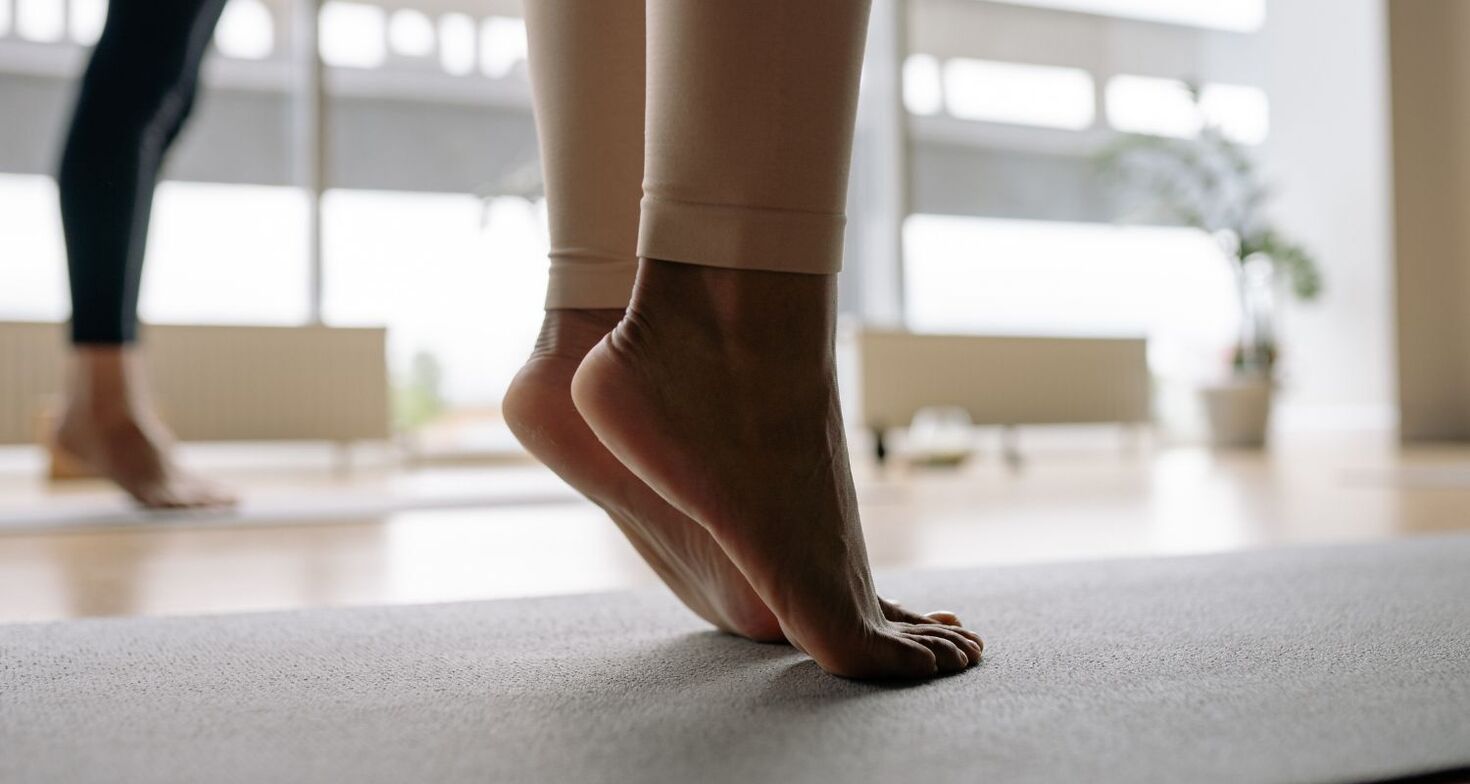
Exercises like resistance band work in all ankle directions, single-leg balance progressions, calf raises on unstable surfaces, and plyometric landings help build the kind of functional strength that holds up under the pressures of performance. These aren't generic gym exercises — they're programmed to mimic the actual forces your ankles face on stage.
Proprioception and Neuromuscular Training
One of the most underappreciated aspects of ankle health is proprioception — your nervous system's ability to detect joint position and respond appropriately to unexpected surface changes. Dancers with poor proprioception are significantly more likely to roll an ankle during a performance, even if they have adequate strength.
Physical therapists use balance boards, foam pads, and dynamic single-leg drills to retrain the nervous system. Over time, this improves your body's automatic response to ankle perturbations, so your muscles engage before a sprain can occur. This type of training is highly effective and can feel almost game-like compared to traditional rehabilitation exercises.
Flexibility and Mobility Work
Tight calves, restricted ankle dorsiflexion, and stiff hip flexors all change how force travels through the ankle. Manual therapy — including soft tissue mobilization, joint mobilization, and instrument-assisted techniques — can restore the mobility that lets the ankle absorb force efficiently.
At Bravo Physio & Wellness, our physical therapy approach combines hands-on manual therapy with corrective exercise, giving dancers the mobility they need without sacrificing the stability that keeps them safe.
What Happens After an Ankle Sprain
Even with the best prevention strategies, ankle sprains happen. When they do, how you manage the ankle sprain recovery timeline matters enormously for long-term outcomes.
Many dancers try to push through pain or rush back to full activity too soon. This is one of the leading causes of chronic ankle instability — a condition where the ankle continues to feel weak and rolls easily, sometimes for months or years after the original injury.
A proper ankle sprain rehab protocol guided by a physical therapist typically moves through three phases: first managing swelling and restoring range of motion, then rebuilding strength and proprioception, and finally returning to full dance activity with confidence. Depending on the severity of the sprain, this process can take anywhere from a few weeks for a mild Grade 1 sprain to several months for a Grade 2 or Grade 3 injury.
The goal isn't just to get you back on stage — it's to return you stronger and better prepared than before the injury.
When to See a Physical Therapist
You don't need to be injured to benefit from dance physical therapy. If you notice any of the following, it's a good time to book an evaluation:
- Your ankle feels unstable during jumps or turns
- You've had one or more ankle sprains in the past year
- You experience ankle stiffness after class or rehearsals
- You feel uneven on single-leg balance exercises
- You're returning to dance after a break and want to ease in safely
Dance Better, Injury-Free
Prevention is always better than recovery. The dancers who stay healthy longest aren't just the most talented — they're the ones who invest in understanding and maintaining their bodies.
At Bravo Physio & Wellness in Frisco, our team of physical therapists works exclusively with performing artists. We understand the demands your art places on your body, and we're here to help you build the resilience to meet those demands, night after night, performance after performance.
Ready to protect your ankles and elevate your performance? Explore our physical therapy services for dancers and book your initial evaluation today.
%20(1400%20x%20750%20px)%20(66).jpg)