Summer intensive season is one of the most exciting times in a young dancer's year. The audition, the acceptance letter, the shopping list of required dancewear — it builds into something that feels enormous by the time they walk out the door. It should feel enormous. Summer intensives are genuinely formative experiences.
They are also one of the highest-risk window for serious dance injuries in the entire year. New choreography. Longer rehearsal hours than they have at home. Unfamiliar floors. No rest days. Teachers who do not know their body. And the particular brand of pressure that comes from wanting to prove themselves to a new audience.
The dancers who make it through a summer intensive healthy — who thrive, not just survive — are the ones who arrived prepared. Here is what that preparation actually looks like.
1. Address What Has Been Lingering
That ankle thing from competition season. The back tightness that gets worse after long rehearsals. The hip that clicks. These things do not get better under intensive-level stress. They get worse. A pre-intensive physical therapy or wellness evaluation is the time to identify and address them — before they leave, not after.
2. Get a Movement Baseline
A pre-intensive movement assessment — including a DARI motion analysis if available — gives you and your provider a clear picture of your dancer's current status: where they are strong, where they are compensating, and what they need to focus on before the volume increases. This baseline also serves as a reference point if something changes during the intensive.
3. Build Her Physical Capacity Ahead of Time
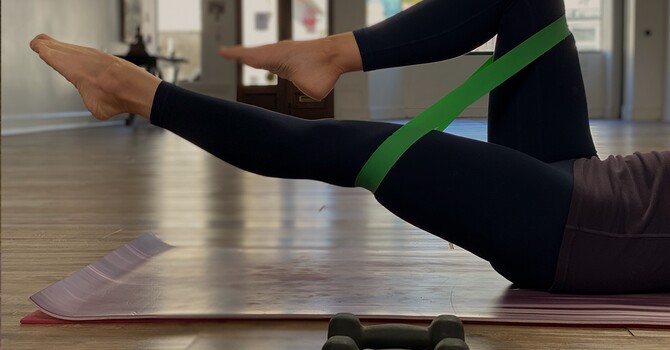
If your dancer typically dances 15 hours a week and the intensive will require 7-8 hours per day, their body needs time to adapt to higher volume before they get there. Targeted strength work — especially for the core, glutes, and foot and ankle complex — in the 6-8 weeks before an intensive significantly reduces injury risk.
4. Have a Plan for If Something Happens
Before they leave, establish a protocol: who they contact if they have pain during the intensive, what they do if something feels significantly wrong, and when to escalate versus when to manage conservatively. Tele-wellness sessions with a Bravo provider are a resource many intensive dancers use during the summer — a 60 to 30-minute virtual check-in can prevent a minor issue from becoming a season-ending injury.
5. Do Not Forget Nutrition and Recovery
Intensive schedules are not kind to nutrition. With long days, unfamiliar food, and the social dynamics of a residential program, many dancers under-fuel significantly. Talk to your dancer about fueling for performance — not restriction. And establish basic recovery habits: sleep, hydration, and what to do when their muscles are screaming after day three.
Ready to get your dancer intensive-ready? Book a pre-intensive assessment at Bravo Physio & Wellness — or start with a free 15-minute intro call at bravophysio.com.

%20(1400%20x%20750%20px)%20(66).jpg)