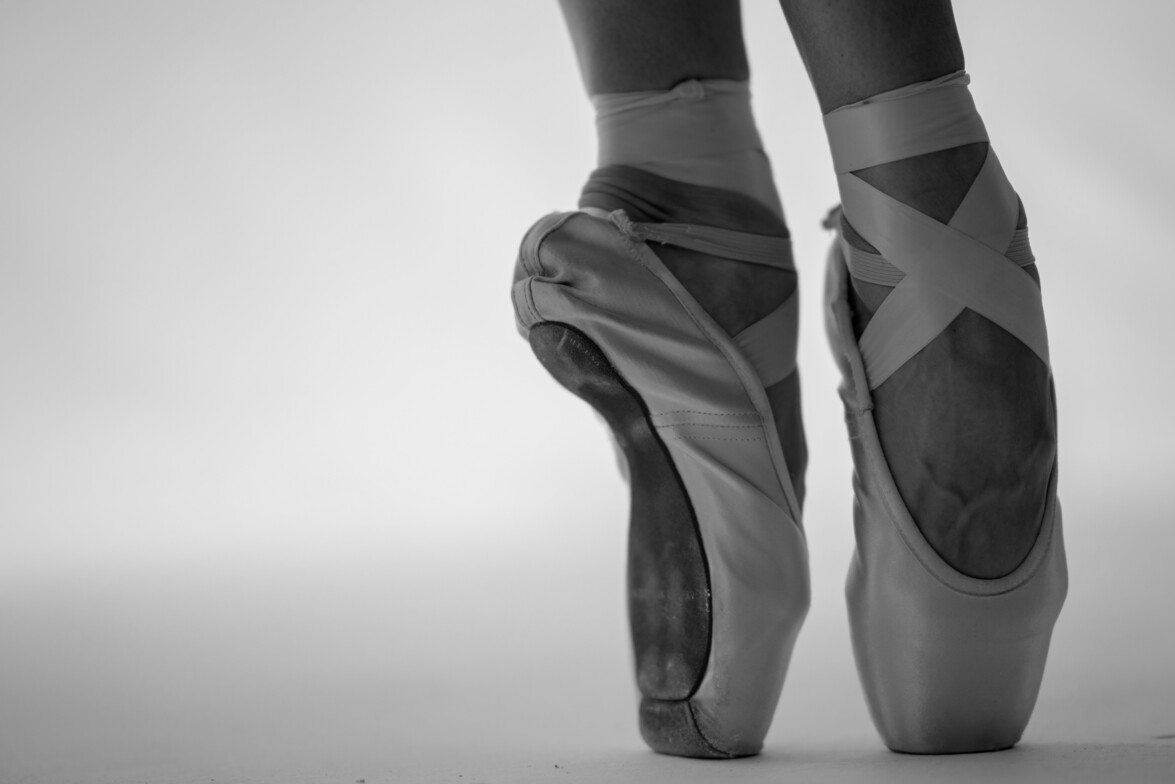
The moment your dancer comes home and says "My teacher thinks I might be ready for pointe this year" is one of the defining milestones in a young dancer's life. It is exciting. It is also a moment that deserves more clinical consideration than most families realize. Pointe work places significant mechanical stress on the foot, ankle, and growth plates of a developing body. Going en pointe before the body is structurally and functionally ready is one of the most common causes of serious, lasting foot and ankle injuries in young dancers. A pointe readiness assessment is not a formality. It is a safeguard.
What a Pointe Readiness Assessment Actually Evaluates
The assessment at Bravo Physio & Wellness is a comprehensive clinical evaluation — not a checklist of whether your dancer can do a relevé. We assess:
• Ankle plantarflexion range of motion — does she have the foot mobility needed for a full pointe position?
• Intrinsic foot strength — can she control and support herself in a pointe position without relying entirely on the shoe?
• Ankle stability and proprioception — can she maintain balance and control during the demands of pointe work?
• Hip external rotation strength — turnout must be supported from the hip, not forced at the foot and ankle
• Core stability — the foundation for maintaining alignment and reducing spinal load in relevé
• Lower extremity motor control — we assess alignment during movement
• Technique readiness — movement quality indicators that predict safe pointe transition
What Happens If She Is Not Ready Yet
Not ready is not a failure. It is information — and it is the kind of information that protects your daughter's ability to dance for years to come. When a dancer is not yet ready for pointe, we provide a clear roadmap: the specific strength and mobility gaps we found, the exercises that will address them, and a timeline for reassessment. Most dancers who are not quite ready at 10 or 11 are fully prepared by 12 or 13 with targeted preparation.
Why This Matters More Than Most Parents Realize
The injuries that happen when a dancer goes en pointe before her body is ready are not always immediate. They can develop gradually — stress fractures in the metatarsals, growth plate damage at the ankle, chronic ankle instability. By the time the pain becomes undeniable, significant damage may have occurred. Taking the time to get a pointe readiness assessment is one of the most protective things you can do for your dancer's long-term career.
Ready to schedule your dancer's pointe readiness assessment? Book a free intro call at Bravo — or schedule the assessment directly at on our BOOK NOW page.

%20(1400%20x%20750%20px)%20(66).jpg)