If you have been to Bravo Physio & Wellness, you may have noticed the eight cameras mounted around the perimeter of one of our spaces. Or you may have heard a provider mention a "DARI assessment" and nodded while making a mental note to Google it later. Consider this your Google answer.
What DARI Is
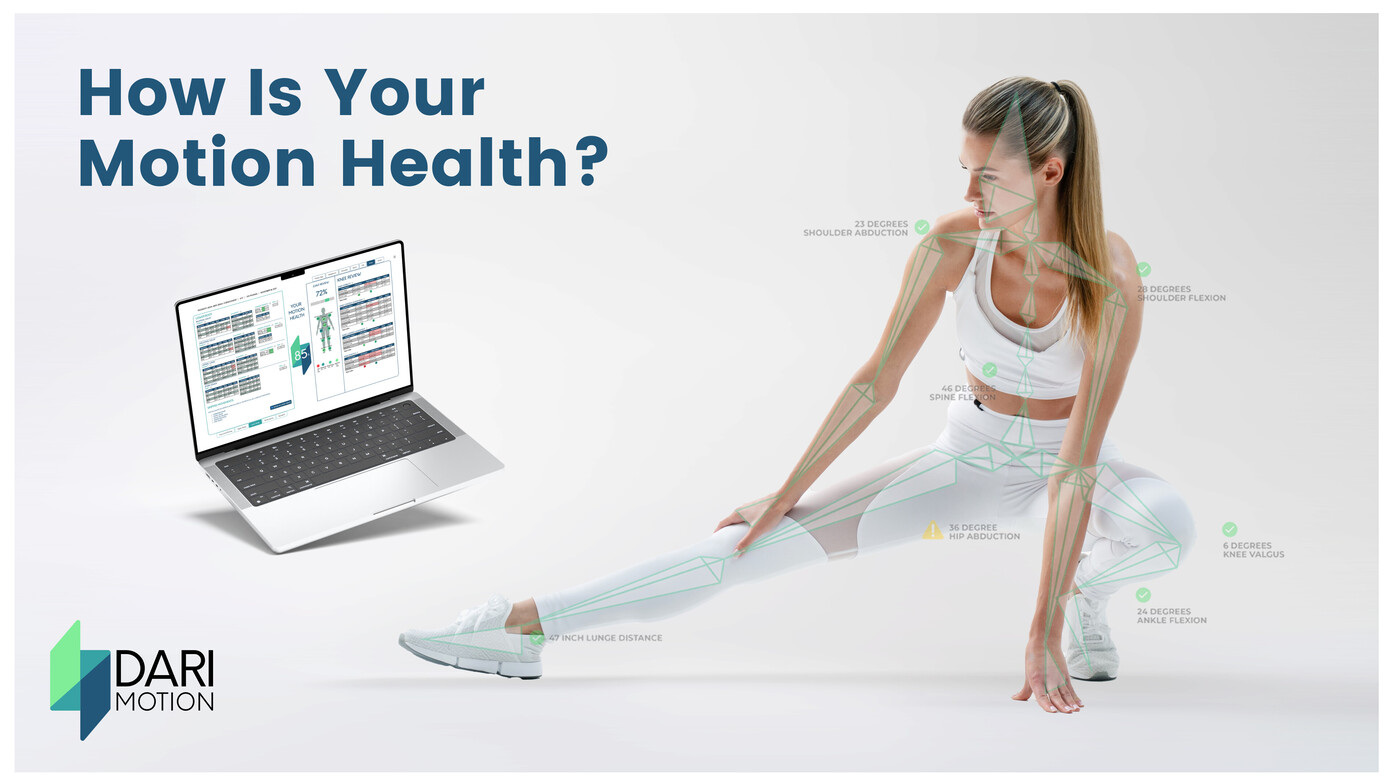
DARI stands for Dynamic Athletic Research Institute. The DARI Motion system is the only FDA-cleared, markerless motion capture system available for clinical use — meaning it captures and analyzes human movement in three dimensions, without sensors, wearables, or adhesive markers. Eight cameras capture your dancer's movement simultaneously from every angle. Within minutes, the system generates an objective, quantified analysis of how she moves — identifying asymmetries, compensation patterns, and movement quality scores that would take a skilled clinician much longer to assess manually, and that can never be fully captured by the human eye alone.
What DARI Measures
The assessment includes a series of functional movement tasks — squats, reaches, single-leg activities — that reveal how the major joints of the body are working together. Each movement is tied to injury risk. The report quantifies:
• Range of motion at each major joint — and symmetry between left and right sides
• Movement quality scores based on normative data
• Load and force distribution across the kinetic chain
• Compensation patterns — where the body is redistributing work to protect a vulnerable area
• Baseline data that can be tracked and compared over time
Why This Is Different From a Standard Evaluation
An experienced physical therapist can observe your dancer and identify a great deal about how she moves. But human observation has limits. The DARI system can detect a 3-degree asymmetry in hip rotation that the eye would never catch. It can produce an objective, reproducible record that we can compare to her assessment six months or a year from now. For a dancer, this matters enormously. Dancers compensate brilliantly. They learn to make impaired patterns look clean. By the time a compensation becomes obvious, it has usually been affecting the body for a long time. DARI catches it earlier.
When to Get a DARI Assessment
The DARI assessment is valuable at any point — but these are the moments where the insight is most actionable:
• Before competition or audition season — establish a baseline
• Before a summer intensive — identify vulnerabilities before volume spikes
• After returning from injury — confirm movement patterns have been fully restored
• When the same injury keeps recurring — find the compensation driving it
• When a dancer hits a performance plateau — discover what her body is doing that her technique work is not addressing
Want to see what your dancer's body is actually doing? Book a DARI assessment on our BOOK NOW page— or start with a free intro call and we will walk you through what to expect.